Winterizing your water heater for Indiana cold snaps
Indiana cold snaps can freeze exposed pipes and stress your water heater. Here's how to winterize your system, what it costs, and when to call a pro.
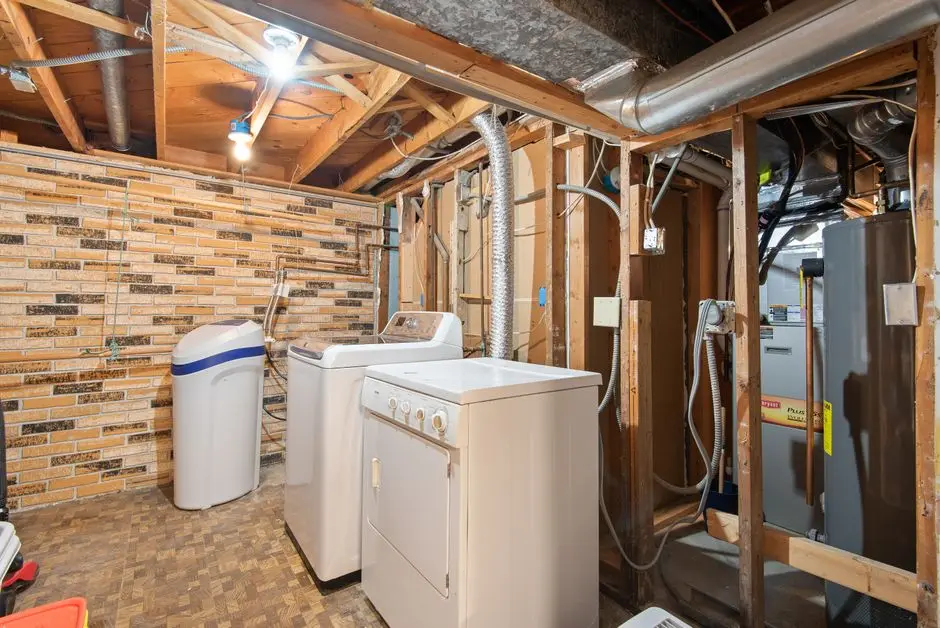
Winterizing your water heater for Indiana cold snaps means protecting the tank, pipes, and venting from freezing temperatures before the first hard freeze hits. The short answer: insulate exposed pipes, set the thermostat to 120°F, test the T&P valve, and keep the basement or garage above 40°F. That's the core of it.
We're Indiana water Heater, and we've spent enough January mornings in Indiana crawl spaces to know which winter prep steps actually matter and which ones are busywork. This guide walks through the full process, the costs, and the warning signs that mean you should call us instead of DIY-ing it.
Why Indiana cold snaps put your water heater at risk
Indiana cold snaps put your water heater at risk because the pipes feeding it often run through unheated spaces-garages, crawl spaces, attics-where temperatures can drop below 20°F for days. When water freezes, it expands about 9%, and that expansion splits copper, bursts PEX, and cracks tank fittings.
The tank itself rarely freezes solid if the unit is running, but the supply lines and the relief valve discharge line are vulnerable. A frozen line means no hot water at best, a flooded basement at worst. We've seen $8,000 in water damage from a $12 pipe that wasn't insulated.
Homes in older neighborhoods tend to have the worst exposure. If your place was built before 1980 and the water heater sits in a vented crawl space, you're a prime candidate for Indiana water heater in Indianapolis service calls after every cold snap. Newer construction isn't immune either-builders still run lines through garages more often than they should.
How do I winterize my water heater for Indiana cold snaps?
To winterize your water heater for Indiana cold snaps, work through these steps in order-most take under 10 minutes, and the whole list is a Saturday morning project.
- Insulate the first 6 feet of hot and cold pipes coming out of the tank. Foam pipe sleeves cost $2-$4 each at any Indiana hardware store.
- Set the thermostat to 120°F. That's hot enough for showers and dishes, and it reduces standby heat loss.
- Test the T&P relief valve by lifting the lever and letting it snap back. If it drips afterward or won't reseat, call us-that valve is a safety device, not a suggestion.
- Drain a few gallons from the bottom to flush sediment. Sediment insulates the burner from the water and makes the tank work harder in cold weather.
- Check the venting on gas units. A blocked flue from snow or a bird nest can cause backdrafting, which is a carbon monoxide risk.
- Keep the space above 40°F. If your heater lives in a garage or crawl space, a $20 thermostat-controlled space heater or a heat lamp on a plug-in thermostat does the job.
If you're not comfortable with steps 3 through 5, that's normal. Gas venting and relief valves are where DIY winterization goes wrong. Our team handles water heater repair in Indiana year-round, and we'd rather check a valve in November than replace a flooded tank in January.
Can a water heater freeze in Indiana?
Yes, a water heater can freeze in Indiana-not the tank full of hot water, but the pipes, the relief valve line, and the condensate line on high-efficiency models. Any water sitting in an unheated space will freeze when temperatures drop into the teens, which happens multiple times each winter across central and northern Indiana.
Tankless units are actually more vulnerable than tank units because they hold only a cup or two of water in the heat exchanger. If that water freezes, the exchanger cracks-and that's a $600-$1,200 repair on a unit that might only be three years old. Manufacturers build in freeze protection, but it only works if the unit has power and the gas is on.
Power outages during ice storms are the real danger. A tankless heater without power loses its freeze protection within hours. If you lose power for more than a day in freezing weather, shut off the water supply to the unit and drain it, or call us for tankless water heater repair in Indiana before you fire it back up.
What temperature should I set my water heater in winter in Indiana?
Set your water heater to 120°F in winter in Indiana. That's the sweet spot: hot enough for showers and dishwashing, cool enough to reduce scaling and standby heat loss. The Department of Energy recommends 120°F for most households, and it's what we set on nearly every water heater installation in Indiana we do.
If you have a dishwasher without a built-in heater or someone in the house with a compromised immune system, 130°F-140°F is reasonable. Just know that every 10°F increase adds roughly 3-5% to your water heating bill. In an Indiana winter, that adds up.
Don't crank it to 160°F thinking it'll help with cold weather. It won't heat your house, and it will shorten the tank's life by accelerating sediment buildup and anode rod depletion.
Water heater insulation Indiana: worth the $30
Water heater insulation in Indiana is worth the $30 because an insulating blanket cuts standby heat loss by 25-45% on older tanks. If your heater is more than 10 years old and feels warm to the touch, it's a candidate.
Skip the blanket if your tank is a newer model with factory foam insulation-most units built after 2015 have it, and adding a blanket can void the warranty or block the controls. Check the label before you buy.
Pipe insulation is the better investment for most homes. Foam sleeves on the first 6 feet of hot and cold lines cost under $20 and take 15 minutes to install. We see homes in Indiana water heater in Yoder with uninsulated garage runs every winter-those are the ones that freeze first.
When should I winterize my water heater in Indiana?
Winterize your water heater in Indiana by mid-October, before the first frost. Central Indiana typically sees its first hard freeze in late October or early November, and northern Indiana can get one in early October. Doing it in September is even better-you're not fighting the first cold snap for hardware store inventory.
If you missed the window, do it now. A 30-minute job in November beats a $1,500 emergency replacement in January. We get slammed with emergency water heater repair in Indiana calls after every cold snap, and most of those calls trace back to a $10 pipe that wasn't wrapped.
Mark your calendar for the same weekend every year-the one before Halloween works well. That gives you a buffer before the real cold arrives.
Common mistakes to avoid
The most common winterization mistake is ignoring the relief valve discharge line. That pipe runs from the T&P valve to a drain or outside, and if it's full of water and freezes, the valve can't relieve pressure. That's how tanks rupture.
Other mistakes we see every winter:
- Turning the heater off entirely in a vacant rental or cabin. A tank full of water in an unheated space will freeze. Drain it completely or keep the heat on.
- Blocking combustion air on gas units with insulation or stored boxes. Gas heaters need airflow to burn cleanly.
- Setting the thermostat below 120°F to save money. Below 120°F, bacteria like Legionella can thrive in the tank.
- Skipping the anode rod check. A corroded anode rod means the tank rusts from the inside out. Check it every two years.
None of these are hard to fix. They're just easy to forget until something breaks.
When to call a professional
Call a professional when you see rust-colored water, hear popping or rumbling from the tank, or find moisture around the base of the unit. Those are signs of sediment buildup, a failing anode rod, or a leak that winter cold will make worse.
We also want to hear from you if your relief valve drips after testing, your gas flame looks yellow instead of blue, or your tankless unit shows a freeze-protection error code. Those are not DIY fixes.
Indiana water Heater handles winterization checks, repairs, and replacements across the region. If your system is more than 10 years old and you're facing another Indiana winter, it's worth having us look at it before the cold sets in.
Frequently Asked Questions
How do I winterize my water heater for Indiana cold snaps?
Insulate the first 6 feet of pipes, set the thermostat to 120°F, test the T&P valve, drain sediment, and keep the surrounding space above 40°F. The whole job takes about 30 minutes and costs under $50 in materials.
Can a water heater freeze in Indiana?
Yes. The tank itself rarely freezes, but supply lines, relief valve discharge lines, and tankless heat exchangers can freeze when temperatures drop below 20°F. Frozen lines can burst and cause significant water damage.
What temperature should I set my water heater in winter in Indiana?
Set it to 120°F. That's hot enough for showers and dishes, and it reduces standby heat loss. If you have a dishwasher without a built-in heater, 130°F-140°F is acceptable, but expect a 3-5% higher water heating bill for every 10°F increase.
How much does water heater winterization cost in Indiana?
DIY winterization costs $30-$50 in materials. A professional winterization check, including valve testing and sediment flush, runs $100-$200 in 2026. That's cheap compared to a $1,200-$2,500 replacement after a freeze event.
When should I winterize my water heater in Indiana?
By mid-October, before the first hard freeze. Central Indiana typically sees its first freeze in late October or early November, and northern Indiana can freeze in early October. Doing it in September gives you a buffer.
Get help with Indiana water Heater in Indiana
If you'd rather have someone who does this every day check your system before the next cold snap, we're a phone call away. We'll test the valve, flush the tank, check the venting, and insulate what needs it-so you're not the one calling us at midnight in January.
Call Indiana water Heater at 123456789 to schedule your winterization check.